

Eco-Sponge - Dual-Sided Cellulose & Loofah 2-Pack

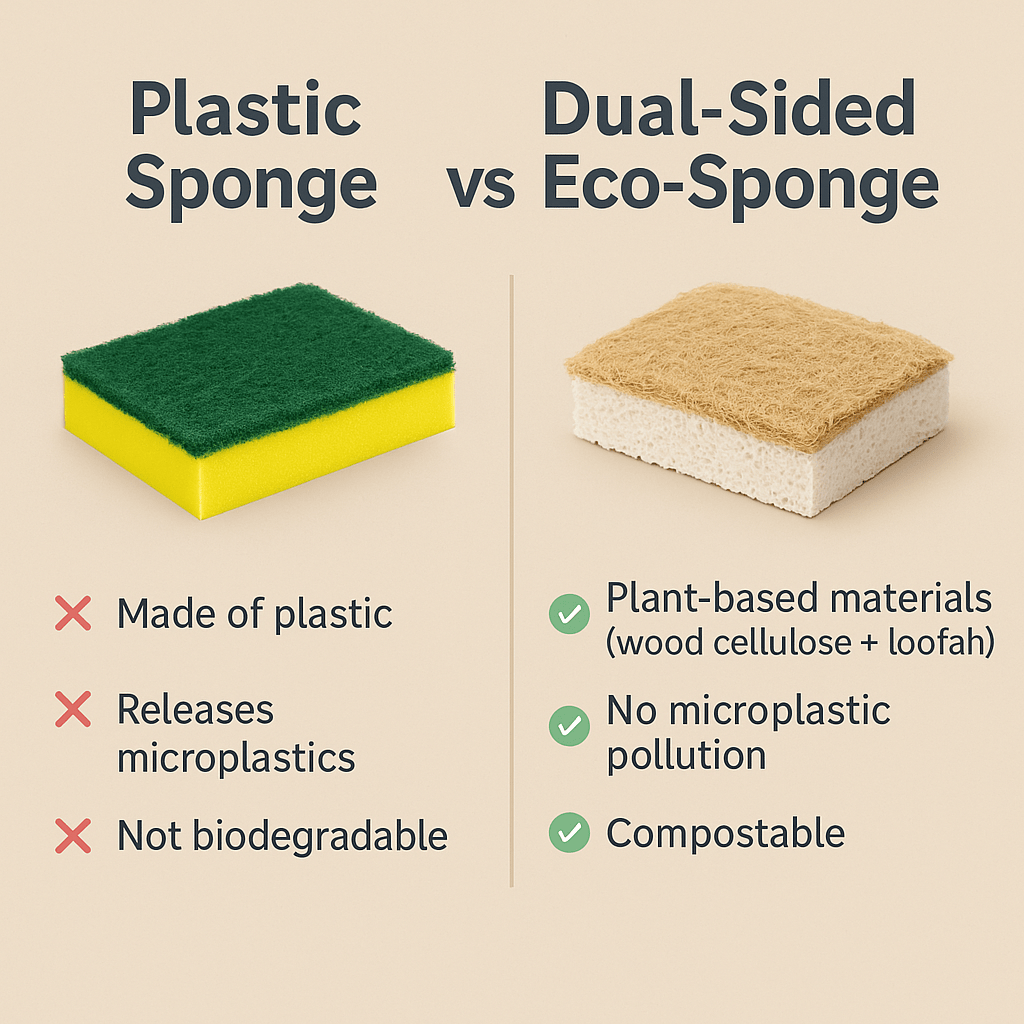
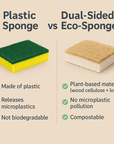
Here is a little thing we feel strongly about: the bright green-and-yellow sponge sitting on most kitchen sinks is made from plastic foam. Every time you scrub, it sheds tiny bits of microplastic that rinse down the drain and end up in our rivers and soil, where they stick around for a very long time. We made this sponge to give that one the boot.
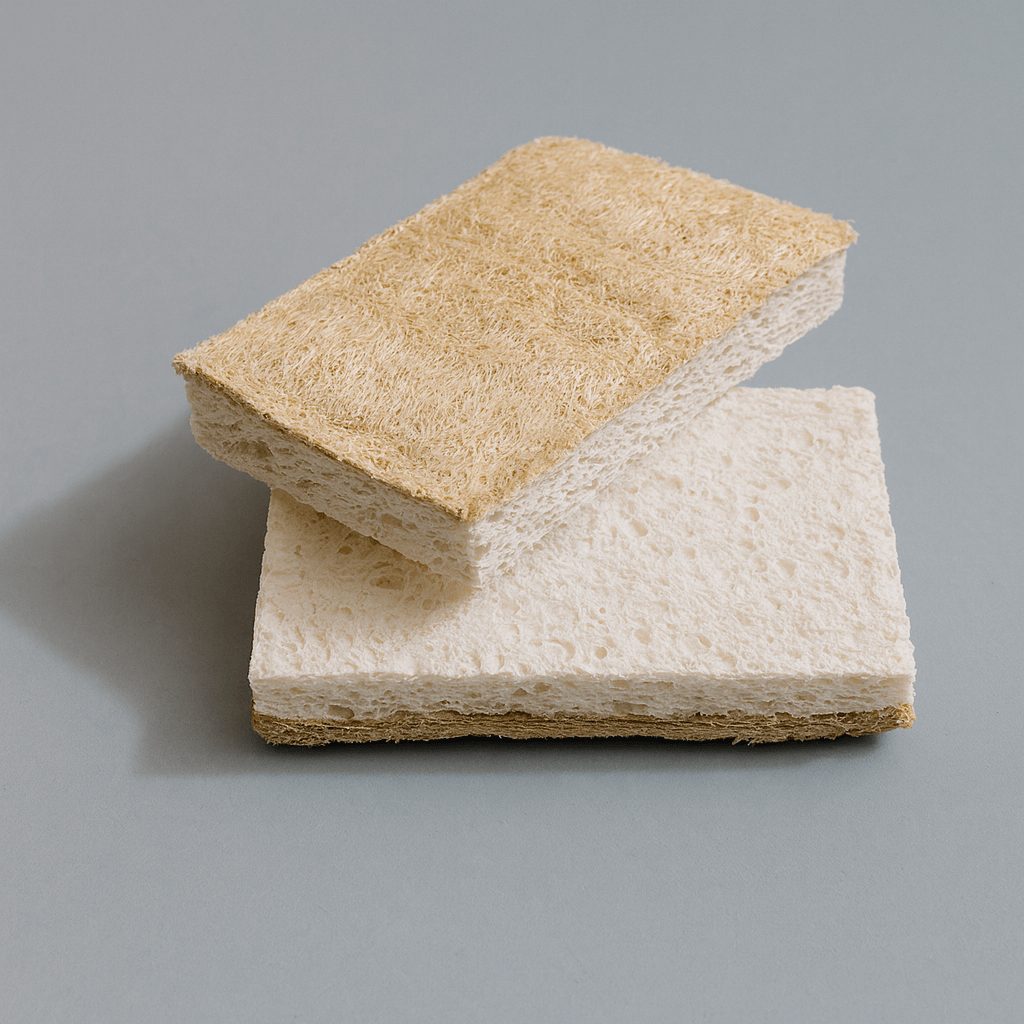
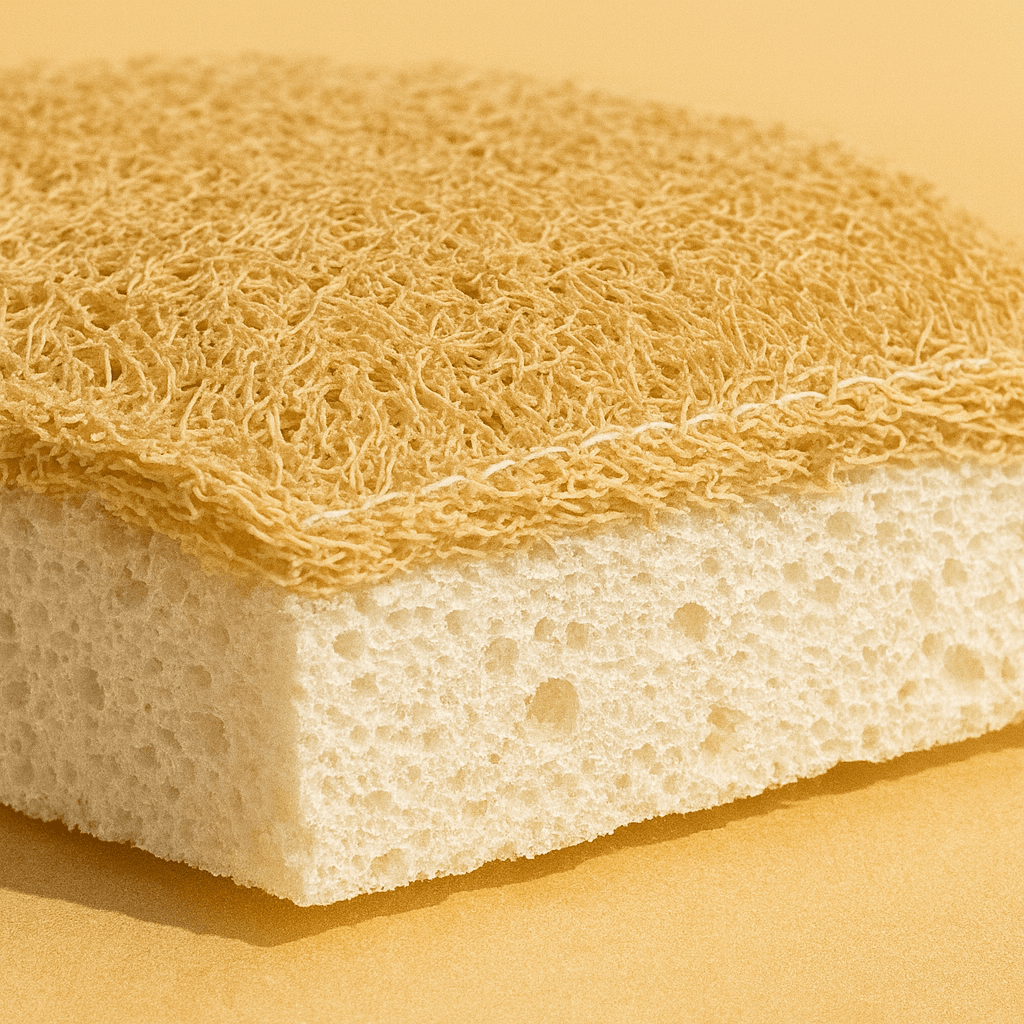
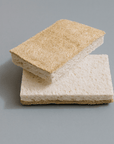
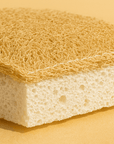
One side is soft cellulose, a natural wood-based material that has been used in sponges for generations. It is great for soaping up dishes, wiping counters, and everyday messes. Flip it over and you get a coarse layer of loofah, the same fast-growing plant you can grow in a garden, ready to take on baked-on food and stubborn pans. Two textures in one little sponge, and not a scrap of plastic in sight.
- Two sides in one: soft cellulose for everyday wiping, coarse loofah for tough scrubbing
- Made entirely from natural, compostable materials
- No plastic and no PLA, just cellulose and loofah
- Held together with cotton stitching, no glue
- A plastic-free swap for the standard foam kitchen sponge
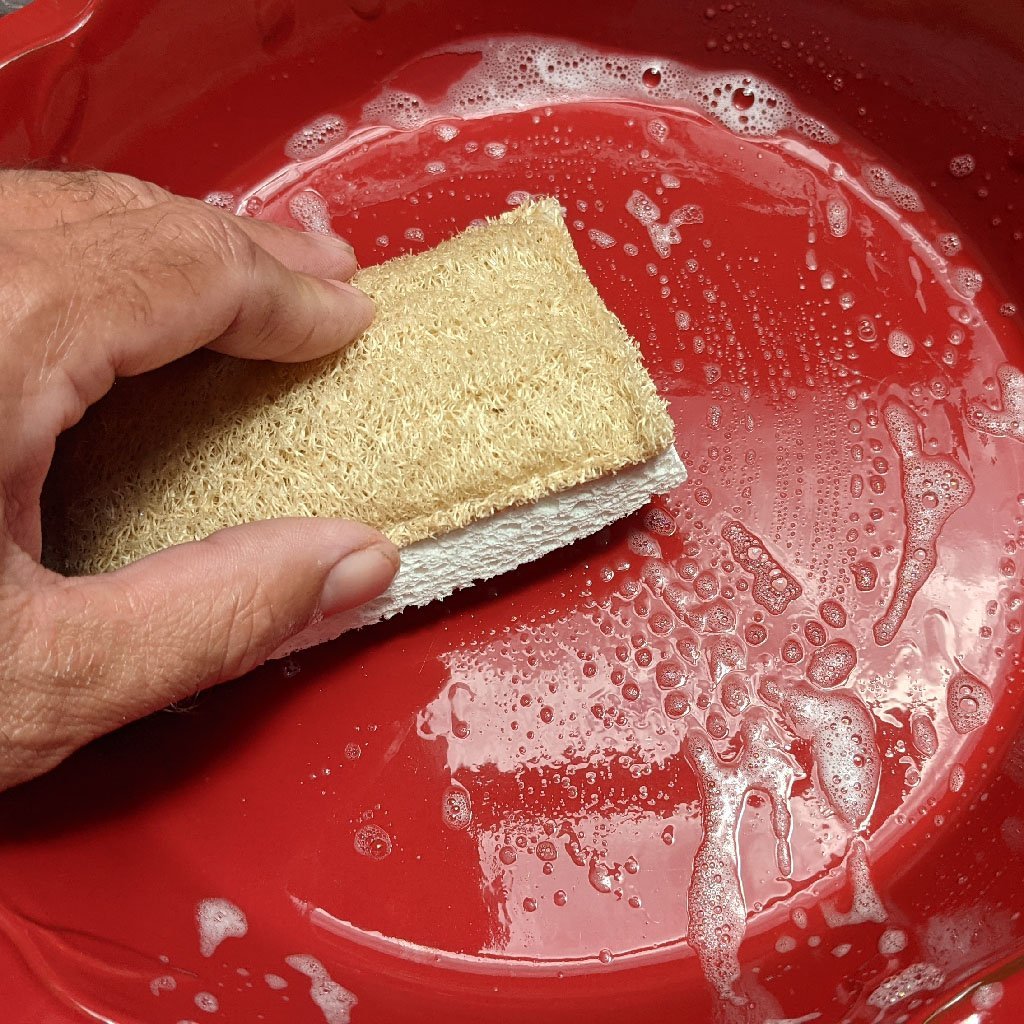
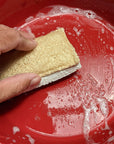
These sponges ship dry, so give yours a good soak before the first use. A dry sponge can tear easily, and the loofah side will plump up and soften once it is wet. Use the smooth cellulose side for dishes, glasses, and counters, and the rougher loofah side for pots, pans, and dried-on food.
Rinse it well after each use and wring it out, then stand it somewhere it can air-dry between jobs. Letting it dry out keeps it fresh and helps it last longer. When it starts to look worn, retire it to the compost and reach for the second one in your pack.
Natural cellulose (a wood-based fiber) on the soft side and natural loofah plant on the scrubbing side, stitched together with cotton thread. No plastic, no PLA, and no glue.
Each sponge measures roughly 4 1/4" x 2 3/4" x 1" thick. It ships dry and expands a little on the loofah side once wet.
The 2-packs come wrapped in a recyclable paper sleeve. Single sponges ship without the sleeve.
When it is worn out, drop it in your compost bin or bury it in the garden and it will biodegrade naturally. No landfill and no microplastics left behind.
Bought together
My household uses these sponges for washing dishes. They work great, and ease our mind compared to the green and yellow type.
One change to these that would be a game changer: we cut these in half before use and once cut they are they perfect size. The downside is, after they are cut one side of the loofa scrub is no longer sewn to the sponge and it tears away easily. IF these could be double sewn down the middle for cutting in half at home OR sold in the smaller size already cut that would extend their life in our household for one.
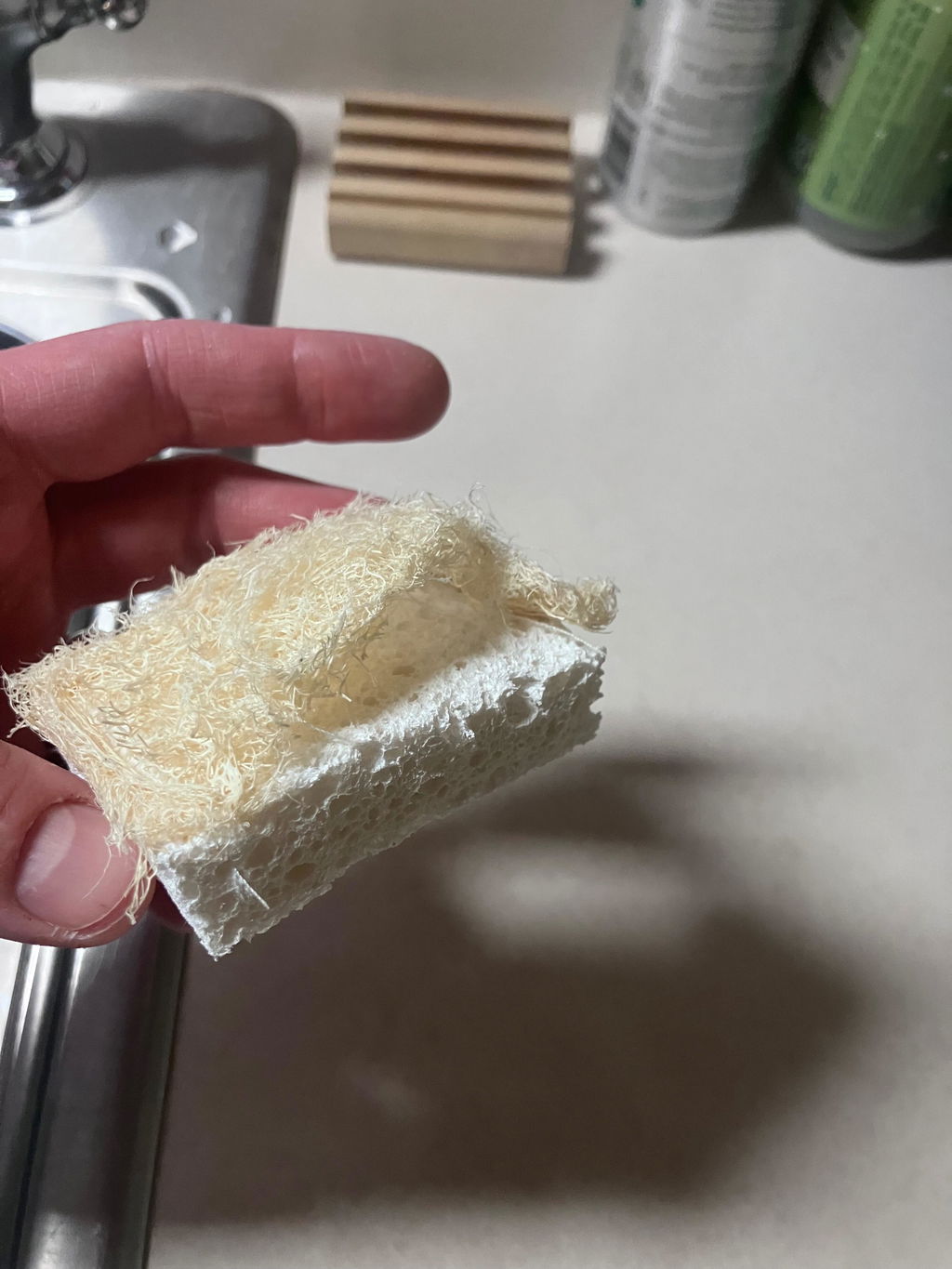
The eco sponge is a great dish and pots and pans product, and I really like that it is not made with plastic.
However, it does not do well against a, love to chew on almost everything, puppy.
Until this happened I didn’t know of her jumping ability to be able to snatch something from the kitchen counter.
So now I have a ragged-edged half a sponge, that still works great.
Thankfully there are two sponges in an order so I have a backup!
I was pretty unhappy with the pup, but who could stay mad at her with a face like that?

These eco sponges work better than disposable ones, and since they're not made of plastic and I believe they're biodegradable they're more environmentally friendly. I got mine to use in addition to the vegan dish block and soap tray.
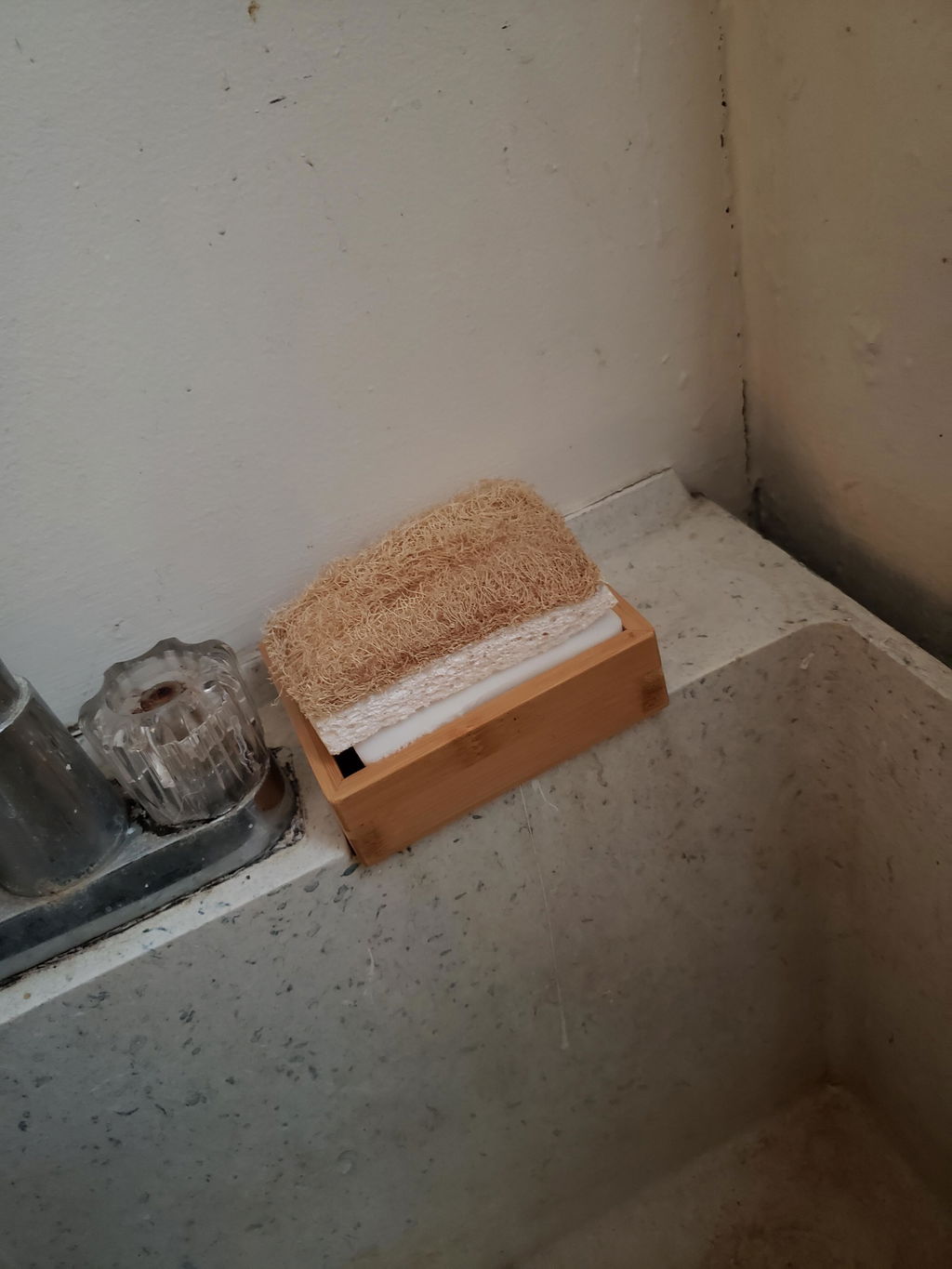
We ordered dual scrub sponges for our kitchen and I'm pleasantly surprised with the quality. We are trying to reduce plastic waste where we can and these are a better alternative that are just as effective for scrubbing and wiping in the kitchen. Love the neutral color...doesn't look grimy or dirty after use either. My husband loves sponges (vs. kitchen cloths) so this is the perfect compromise for us. Better for the environment and still works really well. More of an investment but they hold up incredibly well and last much longer than traditional plastic sponges. Will definitely continue to order!
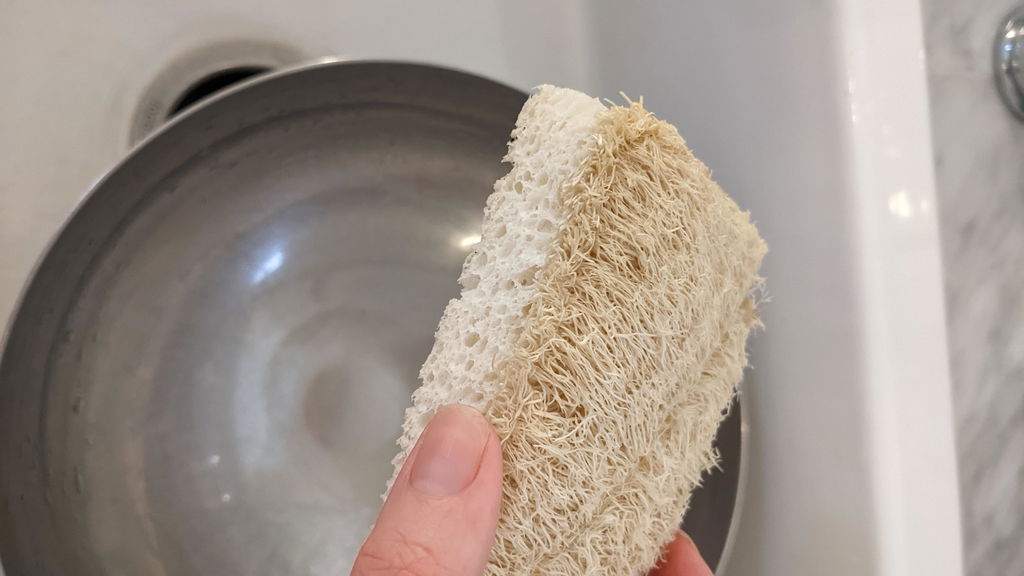
Husband even claims it makes dishes cleaner
Love that it's not full of plastic -- but if you're looking for something that will scrub off more baked on/stuck on food you will also need a more heavy duty scrubber. Otherwise it's a good light duty sponge.
These sponges work great and dry well. They're our go to for cleaning. Highly recommended.
We love these sponges. No plastic but they work just as well as the sponges we used to use. These will for sure be our go to sponges going forward,
Hi Jennifer, we're so glad to hear you love the sponges! Thank you for choosing eco-friendly options with us—happy cleaning! 😊
Love this product doesnt smell and scrubs nicely without damaging.
Really like these - especially since I learned that scrubbing plastic items releases microplastics. :( So now I use the soft sponge side on any plastic items (and don't use plastic for anything that would ultimately require scrubbing)
Hi Marie, we're so glad you love the Eco-Sponge and appreciate your eco-friendly approach! Thank you for sharing your thoughtful tips. Happy cleaning!
Good quality scrubber good customer service
Hi Debra, thank you for your kind words! We're glad you love the Eco-Sponge and appreciate your support. If you need anything else, we're here to help!
This non-plastic sponge is excellent. Makes washing a few dishes by hand easy, almost enjoyable.
Hi Daniel, we're so glad to hear you're enjoying the Eco-Sponge! Thanks for sharing your positive experience with us.
In terms of affection for sponges, LOVE these. They soap up so well, clean wonderfully, no plastic business, bio-degradable, somehow stay non-stinky, last a long time, etc. I buy them in bulk for myself and family now.
Hi Laura, we're thrilled to hear how much you love our Eco-Sponge! Thank you for sharing your experience and for supporting sustainable choices. We appreciate your bulk orders and your kind words!
Great sponges! I’ll definitely repurchase.
The eco sponges are excellent—they have a long life and I love that I can compost them in the end. My husband doesn’t love the color when they are used (they get grayish) but I remind him that we’ve been conditioned by companies to expect bright colored sponges—yellow, blue, green—that are no good. I bought a big box to last us a long, long time (trying to avoid excessive shipments and packaging). I appreciate that the packaging is minimal as well.
These sponges work just as well (if not better) than traditional sponges and I don't have to feel guilty about putting them in the trash when they are used up! I can compost them!
(redacted)
These sponges are perfect for dishwashing. They hold up well (I get over a month out of them with regular use) then can be tossed in the compost. I microwave and soak in vinegar weekly to keep them fresh and they hold up just fine to that. Definitely recommend!
Use this daily to clean dishes and pots. Sponges scrub residue off well without scratching and hold up for weeks. Don’t hesitate to give them a try!
These work so well, and delighted I'm using natural products!
So I am older and nostalgic about how we kept house now that my spouse is gone. But I stopped using those blue 3M scrubby sponges because of all the plastics a while back. All the dish brushes did not do it for me. These sponges bring back the joy. Thank you.
Thank you so much for these nice, earth friendly sponges.
They are soft but yet strong.
🌱
I've been searching for a really good sponge that was good on my budget and the environment. Luckily, I came across this and I'm loving my sponge! I'll be sure to come back to make another purchase!
Always love these products. I have been using them about two years as we slowly remove more plastic from our home!
These do a great job for cleaning up spills and scrubbing dishes. Plus, they go right in the compost bin when it's time to get a new one.
Happy to have replaced my plastic sponge. Overall, works great.
Got the 2-pack recently and am quite pleased with the construction and durability of this sponge. I bought a similar sponge about 6 months ago, and the soft side decomposed quickly. These sponges are much more durable on the soft side. The only reason I'm giving a 4 rather than a 5 is that it's a new purchase, and I want to see how the sponge performs after a period of time.
Strong scrubbing side (really, really works!) and great normal side. Love that they're compostable. Would recommend!
These sponges are as good, maybe better, than the nonbiodegradable sponges sold by major brands. I'm glad to pay a bit more knowing that I'm not pouring more plastic into the rivers and oceans.