

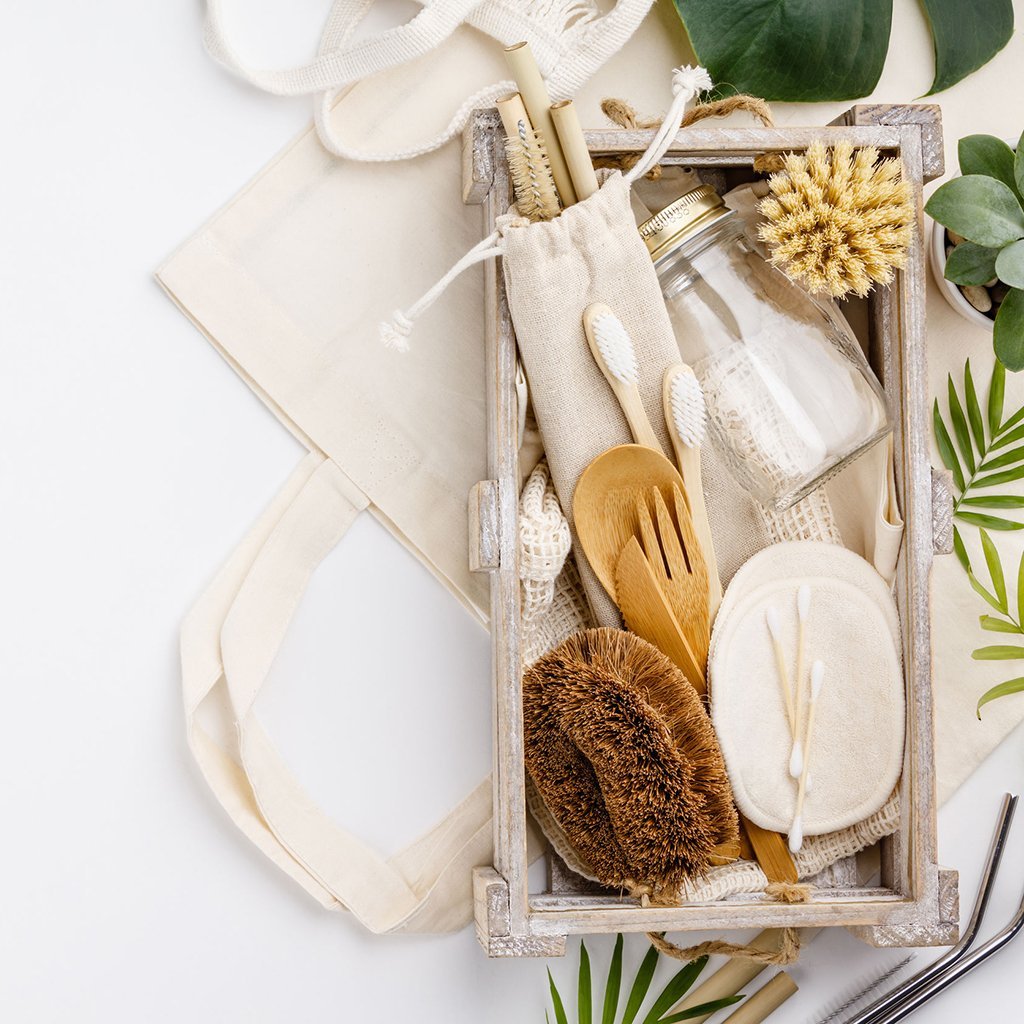
So you want to go zero waste, but every guide online makes it sound like you need to fit a year of trash in a mason jar by Friday. Take a breath. That is not how this works, and honestly, that all-or-nothing pressure is what makes most people quit in the first week.
Going zero waste is not about being a perfect environmentalist. It is about paying attention, making the next better choice when you can, and letting those choices add up over time. This guide walks you through what it really means, why it is worth doing, the honest truths nobody mentions, and a simple plan to start, one swap at a time.
What "zero waste" actually means
Here is a distinction that trips up almost every beginner: natural is not the same as zero waste.
A product can be labeled natural, plant-based, or eco-friendly and still come wrapped in plastic that outlives you by four centuries. Zero waste is about the whole lifecycle of a thing, from how it is made to where it ends up. A genuinely zero-waste product is durable, and at the end of its life it can be reused, refilled, composted, or recycled, instead of sitting in a landfill.
So the goal is not to buy a pile of new "green" products. It is to waste less, full stop. Sometimes the most zero-waste choice is the thing you already own.
Why it is worth doing
You do not need a guilt trip, so we will keep this short and specific. A few reasons the swaps matter:
Landfills are filling up, and they leak methane. In 2018 the United States generated 292.4 million tons of waste, and only about 32 percent of it was recycled or composted. Plastics alone made up more than 18 percent of that total. As landfill waste breaks down it releases methane, a greenhouse gas roughly 80 times more potent than carbon dioxide over the short term.
The ocean is taking the overflow. Around 8 million tons of plastic enter the oceans every year. Sunlight and waves grind it into microplastics that work their way back up the food chain and onto our plates. Nearly 700 species, including endangered ones, are known to be harmed by plastic.
Recycling is not the safety net we were told it was. Only a small fraction of plastic ever actually gets recycled, and much of what Americans put in the bin is shipped overseas and thrown away anyway. Reducing what you use beats trying to recycle your way out of the problem. We dug into this in why recycling isn't working anymore.
Less plastic usually means less stuff, and less stress. This is the perk nobody advertises. When you stop buying disposable things on autopilot, your home gets simpler and your shelves get quieter. Most people find they do not miss the clutter at all.
Five honest truths before you start
We are not going to sugarcoat it. Knowing these up front is what keeps people from giving up.
One: it is a marathon, not a race. You will not swap everything in a weekend, and you should not try. Move slowly, but move with intention. It gets easier with practice until it becomes second nature.
Two: it can take a little more effort, at least at first. Bamboo and other natural materials are durable, but many cannot survive a dishwasher and need a quick hand wash. None of this is hard once it is a habit, but it helps to expect it.
Three: the upfront cost can be higher, and it often pays off. A refillable or long-lasting product can cost more on day one and less over a year. We broke down the math in are zero-waste products actually more expensive.
Four: "natural" marketing is everywhere, and a lot of it is greenwashing. If a brand cannot tell you what a product is made of or where it ends up, that is usually your answer. Here is how to spot greenwashing before it gets your money.
Five: your choices genuinely add up. It is easy to feel like one person cannot matter on a planet of billions. But every swap is one less thing in a landfill, and habits are contagious. You are not doing this alone.
How to start: a simple four-step plan
Skip the overwhelm. Start here.
Step one: notice how much you waste. Before buying a single new product, be honest about where your trash actually comes from. Spend a week paying attention to your bin, or jot it in a phone note. You cannot change what you have not measured, and the answer is usually eye-opening.
Step two: use up what you already have. This is the part most "zero waste" guides get backward. Do not toss your half-full shampoo bottles and run out to buy bars. Finish what you own first. Throwing away usable products to buy "greener" ones just creates more waste.
Step three: repurpose before you replace. Empty glass jars become bulk-bin containers, leftover storage, or little planters. Repurposing keeps things out of the bin and saves you from buying something new. If you do have organics piling up, a simple home compost setup handles a surprising amount of household waste.
Step four: make swaps as things run out. When a product is finally empty, replace it with a reusable or refillable version. Doing it this way spreads the cost out and means nothing usable gets wasted. When you are ready, our whole zero-waste catalog is already vetted, so you do not have to research every label yourself.
Everyday swaps that cut the most plastic
You do not have to do all of these. Pick the one that fits your life right now, get comfortable, then come back for the next.
Keep reusable bags in the car. The single easiest habit. A grocery bag can take centuries to break down, and the swap costs you nothing once the bags live in your trunk.
Buy in bulk, and watch for hidden packaging. Bulk cuts packaging and usually cuts cost, but skip anything individually wrapped inside the box, which defeats the purpose.
Build a small to-go kit. A cloth bag, a reusable cup, and a set of utensils in your car means you are ready when takeout or coffee happens. Half the battle is just remembering to ask the restaurant to skip the plastic cutlery.
Swap the bathroom basics. This is the easiest room to start in. An exfoliating soap bag replaces a plastic loofah and uses up every last sliver of bar soap. Toothpaste tablets replace the plastic tube entirely, and they are easy to get used to. A bamboo toothbrush takes the plastic out of a thing you replace several times a year (here is how long one actually lasts). Browse the rest in bathroom products.
Rethink the kitchen sponge. Most conventional sponges are plastic and shed microplastics down the drain. A cellulose eco-sponge works the same way and is compostable at the end. More options in kitchen.
Ditch single-use cleaning wipes. Disposable wipes are mostly plastic and a documented pollution problem along coastlines. Reusable cloths and refillable sprays do the same job. See cleaning products.
Switch laundry over. Detergent sheets and powders skip the giant plastic jug, and they travel well. Have a look at laundry products.
Choose better materials when you do buy. Glass, aluminum, and cardboard are recycled at far higher rates than plastic. When something has to be bought, favoring those keeps it in circulation.
If you have a baby, look at cloth or bamboo diapers. Disposable diapers are one of the largest non-biodegradable items in landfills. Even a partial switch makes a real dent.
A quick word on the things you already own
The most sustainable product is often the one in your cupboard. Before you buy anything new, pause for the impulse-buy check: do you actually need it, or did an ad just make you feel like you do. Separating the feeling from the purchase is one of the most effective waste-reducers there is, and it happens to be free.
Keep going
That is genuinely all there is to starting. Notice your waste, use what you have, repurpose what you can, and swap thoughtfully as things run out. Do that and you are already living more sustainably than you were a week ago.
When you are ready for the next swap, we have done the research so you do not have to. Everything in our zero-waste store is vetted for materials and lifecycle, and if you ever want a hand figuring out where to start, that is exactly what we are here for.
You do not have to be perfect. You just have to start.


